


The Virginia General Assembly allocated $10.6 million in the two-year budget lawmakers passed this week for the Department of Environmental Quality to help contain toxic leachate spilling from the bankrupt Shoosmith Landfill in Chesterfield County.
The emergency funds will be used “to prevent it from becoming a catastrophe”, according the Sen. Glen Sturtevant, R-Chesterfield.
It represents a fraction of the $173 million needed to fully close down the landfill located off of Route 10 in Chester. The landfill, which has not taken in new trash since 2022 and whose owners filed for bankruptcy in 2025, reportedly generates about 50,000 gallons of leachate a day, a toxic wastewater made up of runoff from the garbage in the landfill.
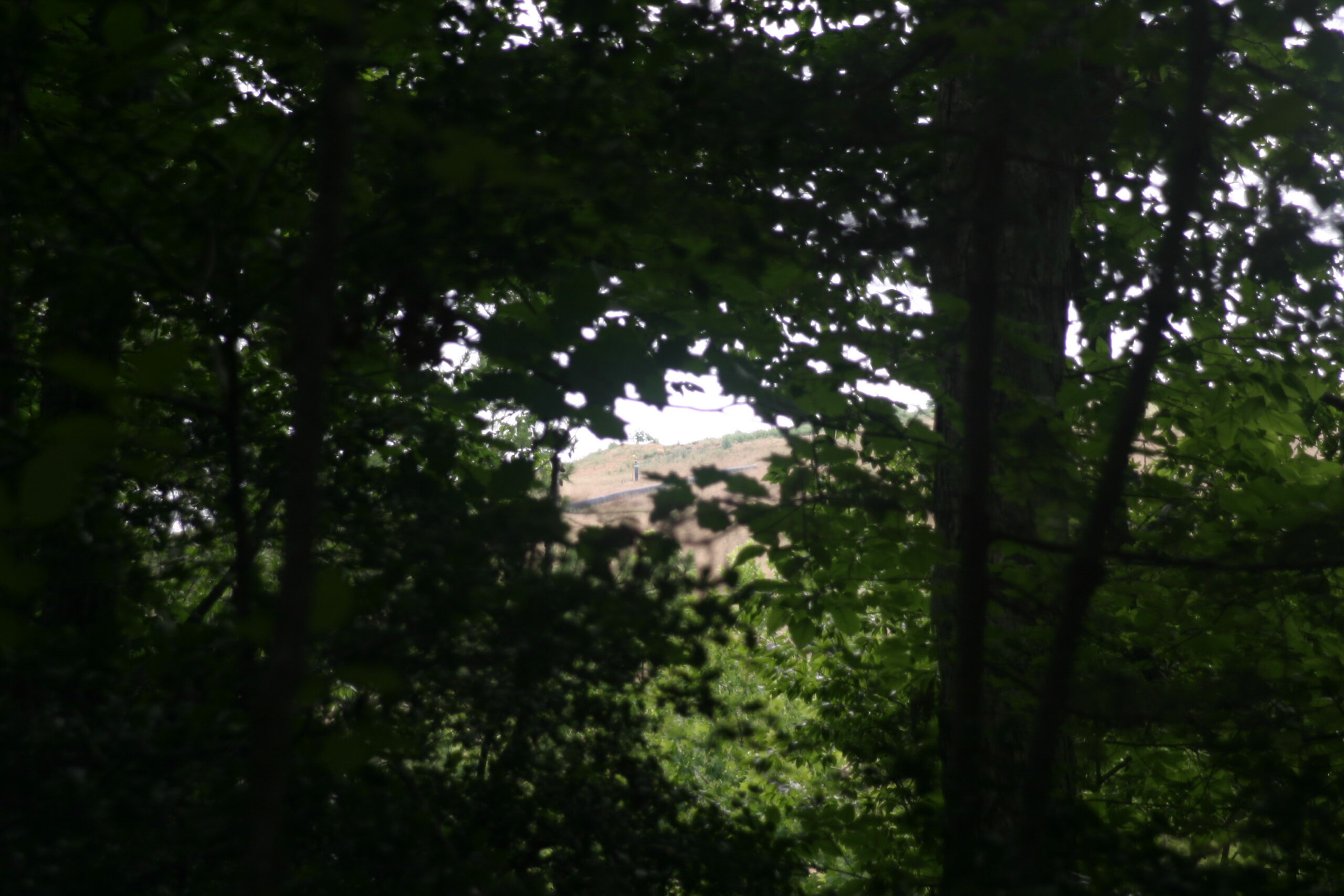
That toxic liquid has been spilling into stormwater collections and directly into Swift Creek in some cases, according to the James River Association.
The creek flows into the Appomattox River and eventually into the James River at Hopewell – where drinking water is collected. Tom Dunlap, a riverkeeper with the James River Association, emphasized that if the leachate continues flowing into the environment it could lead to a major disaster, impacting clean drinking water and healthy streams for wildlife.
“You have to treat that discharged waste fluid to protect the environment,” Dunlap said. “It can be laden with all sorts of things from heavy metals to PFAS chemicals, and on and on. To have that leachate wind up directly in the environment is one of the worst case scenarios that we could be experiencing.”
The leachate is part of normal operations when managing a landfill, but must be treated before being discharged into wastewater treatment systems. In 2018, the county board of supervisors denied a request to expand the landfill by including a lined disposal cell in a nearby rock quarry.
Supervisors said the disposal of the wastewater below the water table could pose serious health and safety risks for residents.
The landfill has a history of improperly managing the leachate from the facility.
Chesterfield County reported that between 2019 and 2023, elevated levels of ammonia were found in the wastewater treatment plant that were traced back to Shoosmith. The landfill wasn’t properly treating the leachate it was discharging into the municipal system, an investigation found, which is a violation of its permit and the Clean Water Act.
This led the county to suspend Shoosmith’s permit to discharge the leachate into the county system; the liquid had to then be hauled offsite to be disposed of.
When filing for bankruptcy, DEQ approved the surety bonds from the facility’s owners to the tune of $19 million. This money was earmarked for the bankruptcy trustee to oversee the continued clean up of the leachate. In a May 26 letter to DEQ, the senator asked what could be done to make sure taxpayers are not left holding the bag to close this private facility.
Local residents in the surrounding neighborhoods have warned for years that the leachate has been getting into streams and odors have been permeating from the landfill.
A group called Chesterfield Citizens for Responsible Government said that the $10.6 million in state funding is not enough to cover the environmental and infrastructure needs laid out in the bankruptcy filings and engineers budget report for the closure of the landfill.
“These are not theoretical concerns. They are documented operational deficiencies at a landfill located adjacent to critical waterways. Immediate action is needed to protect public health, groundwater, and the environment,” the group said in a statement.
The James River Association estimates that about $50 million is needed over the next two years to establish an on-site leachate and treatment facility to slow the spread into the local environment.
“That engineering report cited elevated temperatures and all the knock-on effects of that which includes potential gases that are coming out of it, concerns with the stability of the landfill overall, identifying some of the more rapid-than-expected subsidence and collapses in the landfill,” among other concerns, Dunlap said.
Sturtevant said that the $10 million is just the first step and that the state – alongside the EPA and local officials – are evaluating other revenue streams to help shut down the landfill and manage the leachate before it gets too dangerous.
“This allows the federal, state and local folks the time to develop a plan to stop the leachate to prevent it from becoming a catastrophe, which is where it was headed, because they told us we’re gonna run out of money as soon as August,” Sturtevant said.
The bipartisan delegation of lawmakers that represent the Chesterfield area have been engaging with DEQ and Secretary of Natural and Historic Resources David Bulova on how to protect residents in the interim.
They are also considering how to claw back more funds from the company that abandoned the landfill when bankruptcy was filed.
“It would appear that there were a lot of things that failed along the way, and we have these governmental rules and regulations and agencies in place for the purpose of not allowing that to happen,” Sturtevant said. “So it’s going to require some legislative changes to make sure that there’s not an opportunity for this kind of thing to happen again.”

